Τα Ξύλινα Σπαθιά
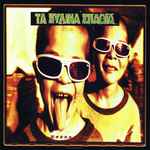
Xylina Spathia (Greek: Τα Ξύλινα Σπαθιά; transl. 'The Wooden Swords') was a Greek rock band from Thessaloniki, Greece. From 1993 to 2003, the band released five albums and a CD single. The original lineup consisted of: Pavlos Pavlidis – vocals, guitar Vasilis Gountaroulis – keyboards, samplers Christos Tsaprazis – bass Panos Tolios – drums, percussion (1993–1997) Former members include: Stavros Rossopoulos – guitar (1993–1994) Takis Kanellos – drums (1997) Giannis Mitsis – drums (1998–2003) Kostas Pantelis – guitar (2000–2003) Nikos Kyriakopoulos – percussion, backing vocals (2001–2003) Session musicians who appeared on the band's albums include: Dimos Gountaroulis – cello Giorgos Tolios – percussion Giorgos Papazoglou – percussion Rita Hatzinikoli – percussion Fotis Siotas – violin Aristeidis Hatzistavrou – classical guitar Pavlos Pavlidis was previously involved with the Greek rock band Mora sti Fotia (Greek: Μωρά στη Φωτιά; transl. 'Babies on Fire'). In 1989, he traveled to France and stayed with Nikos Kantaris in Mériel, a commune near Paris. They established the Brancaleone Studio, where Pavlidis recorded the first demos of his songs. The band's first two albums were later dedicated to Nikos Kantaris. During his stay in Paris, Pavlidis also met Giannis Mitsis, who would join the band in 1998. In 1992, Pavlidis returned to Thessaloniki, and together with Vasilis Gountaroulis, Christos Tsaprazis, Panos Tolios, and Stavros Rossopoulos, began working on material that he had developed during his stay in France. With this lineup, the group performed live for the first time in Karditsa under the name "Brancaleone". They later changed their name to the current "Xylina Spathia" ('The Wooden Swords'), inspired by the novel of the same name by Pantelis Kaliotsos. In 1993, the band's debut album, Xessaloniki ('Thessaloniki'), was released by Ano Kato Records. The album featured twelve tracks recorded between September and October 1993 at Magnanimous Studio, owned by Giorgos Pentzikis in Thessaloniki, with Christos Harbilas serving as the sound engineer. Two songs, "To nero pou kylaei" and "Poulia 2", had previously been recorded at Brancaleone Studio in 1992. The album included tracks such as "Adrenalini", "Treno fantasma", "Rodes", "Siopi", and "O vasilias tis skonis", which are regarded by some as classic Greek rock.[citation needed] In 1995, the band's second album, Pera apo tis poleis tis asfaltou (transl. 'Beyond the cities of asphalt'), was released by Virgin Records. The album featured ten songs recorded between September and November 1994 at Magnanimous Studio. Notable tracks included "Rita", "Oti thes esy", "Fotia sto limani", "Atlantis", and "Liomeno pagoto". Due to legal issues with their previous label, the album was temporarily withdrawn from commercial sale, but the issue was ultimately resolved and it was reissued on the market.[citation needed] In 1996, Pera apo tis poleis tis asfaltou achieved gold status.[citation needed] In 1997, the band's third album, Mia matia san vrohi, was released by Virgin Records. It featured ten tracks recorded between January and April 1997 at Magnanimous Studio. The album included songs such as "Vrohopoios", "Den ehei telos", "Ena paraxeno tragoudi", "Sto vraho", "Allazei prosopa i thlipsi", and "Robot". In 1998, Pera apo tis poleis tis asfaltou achieved platinum status, while Mia matia san vrohi was certified gold. The band's performances at Rodon in Athens and Mylos in Thessaloniki were sold out. In July, they appeared at Rockwave Festival '98, and in September, they opened for the Rolling Stones during their concert in Athens. Later that year, the band returned to the United Kingdom and performed at The Haçienda in Manchester. As Takis Kanellos was unable to keep up with the band's demanding schedule, he was replaced by Giannis Mitsis. In 1999, Trofi gia ta thiria (transl. 'Food for the beasts') was released by Virgin Records. The EP featured four tracks recorded between April and May 1999 at Agrotikon Studio, owned by Nikos Papazoglou in Thessaloniki.[citation needed] In 2000, the band's fourth and final studio album, Enas kyklos ston aera (transl. 'A circle in the air'), was released by Virgin Records. The album featured ten songs recorded between May and June 2000 at Magnanimous Studio, with Christos Megas and Martin Ekman serving as sound engineers. Prominent tracks included "I teleutaia fora", "Ti perimenoun", "O navagos", "San esena", "Hartinos ouranos", as well as "Pare me mazi sou", the band's final hit. Earlier that winter, Pavlos Pavlidis had travelled to Amorgos, where he wrote most of the songs in a home studio he had set up there.[citation needed] During 2001 and 2002, the band continued to perform concerts across Greece, introducing new songs into their setlist.[citation needed] During this time, a sixth member, Nikos Kyriakopoulos, joined the lineup, contributing percussion and backing vocals. In 2003, the band's album Live was released by Virgin Records. It featured sixteen tracks recorded during concerts held between February and November 2001, captured by the mobile recording units of Polytropon and Octal One Studios, with Christos Megas, Makis Pelopidas, Kostas Vamvoukas, Argyris Papageorgiou, Giorgos Kazantzis, and Vagelis Kalaras serving as sound engineers. All of the songs were drawn from the band's previous releases, except for one new track, "Grand Hotel". By the fall of 2003, Xylina Spathia had disbanded, with its members pursuing different musical paths. In 2005, two years after the group's breakup, The Best Of was released by Virgin Records. The compilation featured sixteen tracks from the band's previous releases, along with a bonus track by Viton & Stel titled "Wooden Swordz". None of the original band members were involved in the production of this album. Label: Ano Kato Records Format: 1 CD Release date: 1993 Αφού σου το 'πα (Afou sou to pa – English: I told you so) Ερώτηση κλειδί (Erotisi kleidi – English: Key question) Ξεσσαλονίκη (Xessaloniki – English: Thessaloniki) Ο καβαλάρης του τρόμου (O kavalaris tou tromou – English: The rider of fear) Το νερό που κυλάει (To nero pou kylaei – English: The water that flows) Πουλιά 1 (Poulia – English: Birds) Ο βασιλιάς της σκόνης (O vasilias tis skonis – English: The king of dust) Αδρεναλίνη (Adrenalini, English: Adrenaline) Τραίνο φάντασμα (Treno fantasma – English: Phantom train) Σιωπή (Siopi – English: Silence) Πουλιά 2 (Poulia – English: Birds) Ρόδες (Rodes, English: Wheels) Λόλα (Lola) Το νερό που κυλάει 2 (To nero pou kylaei – English: The water that flows) Label: Virgin Records Format: 1 CD Release date: 1995 Λιωμένο παγωτό (Liomeno pagoto – English: Melted ice-cream) Ρίτα (Rita) Ο εξορκιστής (O exorkistis – English: The exorcist) Ό,τι θες εσύ (O, ti thes esy – English: Whatever you want) Φωτιά στο λιμάνι (Photia sto limani – English: Fire at the port) Ατλαντίς (Atlantis) O Κάιν (O Kain – English: Cain) Μη ρωτάς (Mi rotás – English: Don't ask) Οι συμμορίες της ασφάλτου (I symmories tis asphaltou – English: The gangs of asphalt) Μη ρωτάς (Remix 2) (Mi rotás – English: Don't ask) Label: Virgin Records Format: 1 CD Release date: 1997 Ρομπότ (Robot) Το καράβι (To karavi – English: The ship) Ζεστός αέρας (Zestos aeras – English: Hot wind) Έχεις ξανάρθει εδώ (Eheis xanarthei edo – English: You've been here before) Βροχοποιός (Vrohopoios – English: Rainmaker) Δεν έχει τέλος (Den ehei telos – English: It has no end) Ένα παράξενο τραγούδι (Ena paraxeno tragoudi – English: A strange song) Στο βράχο (Sto vraho – English: At the rock) Μόνο αυτό (Mono auto – English: Only that) Αλλάζει πρόσωπα η θλίψη (Allazei prosopa I thlipsi – English: Sorrow changes faces) Label: Virgin Records Format: 1 CD S Release date: 1999 Τροφή για τα θηρία (Trofi gia ta thiria – English: Food for the beasts) Διαστημόπλοια (Diastimoploia – English: Spaceships) Χάθηκα (Hathika – English: I'm lost) Τώρα αρχίζω και θυμάμαι (Tora arhizo kai thimamai – English: Now I
Discografía en vinilo
Ordenada por relevancia (lo más escuchado primero).

En la onda de Τα Ξύλινα Σπαθιά
Otros artistas afines, con vinilo.