Partibrejkers
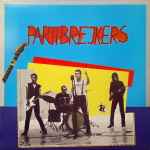
Partibrejkers (Serbian Cyrillic: Партибрејкерс, transliteration for: Partybreakers) is a Serbian rock band from Belgrade, as well as one of the most acclaimed acts of the Yugoslav rock scene. The band was formed in 1982 and released its first album, Partibrejkers I in 1985 in a two guitars, drums and vocal set (no bass guitar). The band has experienced numerous line-up changes. The mainstays of the band are Zoran Kostić "Cane" (vocals) and Nebojša Antonijević "Anton" (guitar). The band has received steady critical acclaim over the years and is well received by audiences across former Yugoslavia, not only for their music, but also for their anti-war activism through the Rimtutituki project. Their influences are diverse, such as the Stooges, MC5, early Rolling Stones and New York Dolls, combined with blues, British rhythm-and-blues, rockabilly and classic rock and roll. The band was formed by the former Urbana Gerila and Radnička Kontrola member Zoran Kostić "Cane" (vocals), former Republika members Goran Bulatović "Manza" (drums) and Ljubiša Kostadinović "Ljuba" (guitar) and former BG5, Butik and Šine member Nebojša Antonijević "Anton" (guitar). Bulatović named the band according to how Kostić viewed this group of individuals, a transliterated version of party-breakers. They performed their first live show on October 4, 1982, at the Dadov Theatre, opening for the Fifties. After the appearance, the band started performing often and on one occasion, in Zagreb, they held five concerts in three days time, Branimir "Johnny" Štulić being the sound engineer at the last concert, and even offering to be the band's producer. The band's first recording, the song "Radio Utopia", was released on the various artists compilation Ventilator 202 in 1983 by PGP-RTB. Demo versions of the songs "Hiljadu godina" ("A Thousand Years") and "Večeras" ("Tonight") were often broadcast on Serbian radio stations, and the newly recorded versions of the songs were released as their first single. For the release of the band's first album, Partibrejkers I (Partybreakers I), produced by Dušan Kojić "Koja" of Disciplina Kičme, the band combined rhythm-and-blues with punk rock, bringing anthem status to the band's songs "Ulični hodač" ("Street Walker"), "Ona živi na brdu" ("She Lives on a Hill"), "Gubitnik" ("Loser"), "Ako si..." ("If You Are...") and "Stoj, Džoni" ("Stop, Johnny"), a cover of Tomi Sovilj i Njegove Siluete version of Chuck Berry's "Johnny B. Goode". The album was recorded at the O Studio in Belgrade in June 1984 and the album cover was designed by Antonijević. As guests on the album appeared Branislav Petrović "Banana" on harmonica, producer Kojić played organ, and Branislav Trivić played saxophone. The album was rereleased by Hi-Fi Centar and VTC Wien on CD in 1999. Despite the success of the debut album, Jugoton declined to release the band's second album, stating that it "lacked rebelliousness". On summer of 1985, Bulatović left the band, being temporarily replaced by Disciplina Kičme drummer Nenad Krasovac "Kele", and in December, the band ceased to exist. For a short period of time, Antonijević performed with the band Plaćenici, after which Partibrejkers were reformed in a new lineup, featuring a former Plaćenici drummer Vlada Funtek and former Radost Evrope bassist Dime Todorov "Mune". The band recorded the material for the second studio album in June 1987 at the Barbaro Studio in Bukovac. The recordings were sent to PGP-RTB, but they were not prone to releasing it. In the meantime, the band organized two charity concerts at the Lotus bar, buying sixteen cakes for the children of the neglected children home in Zvečanska street in Belgrade. In May 1988, Funtek left the band, being firstly replaced by Marko Milivojević, and then by former Potop and Banana member Igor Borojević. In September 1988, the band's second album, with the working title Kobila i pastuv preljubnik (A Mare and a Stallion Adulterer), was released. However, Goran Dimić, who designed the album cover, on purpose did not put the album title on the cover. Partibrejkers II featured prominent tracks "Ja se ne vraćam" ("I'm Not Coming Back"), "Prsten" ("A Ring"), "Mesečeva kći" ("Moon Daughter"), "Pet ispod nule" ("Five Degrees Below Zero") and "Nema cure" ("There Is No Girl"), for which Antonijević sang the lead vocals. The song "Put" ("The Road") was not recorded in Bukovac, but at the O Studio in March 1988 and added to the rest of the material. At the same time, MTV made a report on the band's work. In February 1989, the band made new demo recordings, this time with the help of the Električni Orgazam frontman Srđan Gojković "Gile", who played rhythm guitar. The recordings appeared on the third album Partibrejkers III, which, like the previous, was released through Jugodisk. The album, recorded on August and September 1989, was produced by Milan Ćirić and Antonijević, mixed by Vlada Negovanović, and as guest appeared Petar Miladinović "Pera Joe" on harmonica The album cover was designed by former Kostić's Radnička Kontrola bandmate, Srđan Marković "Ðile". In 1990, the band started a major Yugoslav tour, and performed as an opening act on the Motörhead concerts in Yugoslavia. In late 1990, Borojević left the band and was replaced by the former Baby Kate drummer Borko Petrović. The new line-up released a live album, Zabava još traje (The Party Is Still On), recorded live in July 1991 in Zrenjanin and Vršac and released by Sorabia Disk, and in February 1992, as guests at the band's concert in Belgrade SKC appeared Emir Kusturica, a movie director and former Zabranjeno Pušenje member, Johnny Depp, an actor and former the Kids and Rock City Angels member, and Jim Jarmusch, a filmmaker and a former Del Byzanteens member. At the time, the line-up changed one more time, as original lineup guitarist Kostadinović and drummer Borojević returned to the band, and Todorov left the band, being replaced by NBG bass guitarist Saša Vlajsović. At the beginning of the Yugoslav wars, in 1992, Antonijević and Kostić, with Električni Orgazam and Ekatarina Velika members, formed an anti-war supergroup Rimtutituki, releasing the "Slušaj 'vamo" ("Listen Up") single, released by Radio B92 and promoted in Belgrade with the band performing live in a truck while circulating the streets during the anti-war protests. In November the same year, the band was one of the first in Serbia to perform live in Slovenia, being well received by the audience and given special attention by the media. In March 1993, the band performed at the Milos club in Thessaloniki and toured Macedonia. As a part of the Ko to tamo peva? (Who's That Singing Over There?) project, the band, with Ekatarina Velika, Električni Orgazam, and Vještice from Zagreb, performed live in Prague and Berlin. The band also held two concerts in Belgium at a multimedia festival. The fourth studio album, Kiselo i slatko (Bitter and Sweet), produced by the band themselves with Vlada Negovanović and recorded from May to December 1993 at the PGP-RTS Studio 5 and 6, featured guest appearances by the actress Branka Katić and Srđan Gojković "Gile" on backing vocals, Saša Vlajsović and Zoran Radomirović "Švaba" on bass guitar, Srđan Todorović on drums, "Pera Joe" Miladinović on harmonica, Bajaga i Instruktori member Saša Lokner on keyboards, Goran Čavajda "Čavke", Marin Petrić "Puroni" and Borko Petrović on percussion and backing vocals and Milan Mladenović on vocals, guitar and harmonica. As the most prominent tracks on the album appeared "Molitva" ("Prayer"), "Ljudi nisu isti" ("People Are Not the Same") and "Hoću da znam" ("I Want To Know"). After the album release, the band took a break until 1996 when Antonijević and Kostić reformed the band with Zrenjanin musicians, Gluve Kučke members Gojko Ševar (bass guitar) and Srđan Graovac (guitar) and Oružjem Protivu Otmičara member Darko Kurjak (drums). The band released a greatest hits compilation, Najbolje od najgoreg (The Best of the
Discografía en vinilo
Ordenada por relevancia (lo más escuchado primero).

En la onda de Partibrejkers
Otros artistas afines, con vinilo.