Pips, Chips & Videoclips
Pips, Chips & Videoclips (stylized as PIPSCHIPS&VIDEOCLIPS, and often abbreviated as PCVC) are a Croatian rock band formed in Zagreb in 1992. Active for over three decades, the band has released eight studio albums and is widely regarded by Croatian music critics as one of the most significant and enduring rock acts of their generation. The band first attracted wider public attention in the early 1990s, particularly with the song “Dinamo ja volim”, which became closely associated with supporters of GNK Dinamo Zagreb and is frequently described in Croatian media as an unofficial supporter anthem. During the late 1990s and early 2000s, the band established a broader artistic and critical reputation through albums such as Fred Astaire, Bog and Drveće i rijeke, earning major Croatian music awards and recognition for a sound that evolved from early alternative and Britpop influences toward more experimental and art-rock-oriented approaches. In the following decades, the band maintained its prominence through both studio work and an extensive live career, encompassing large open-air concerts as well as multi-night club residencies in Zagreb. Their 2023 album Vesna marked a return to studio releases after a longer hiatus and was interpreted by critics as a mature continuation of the band's long-standing artistic trajectory. In 1992, Dubravko Ivaniš and Alen Kraljić met in Zagreb and formed the band Pips, Chips & Videoclips. Shortly afterwards, they were joined by Mario Borščak (bass guitar) and Igor Paradiš (drums). In later interviews, Ivaniš has described the band's beginnings as tied to the Zapruđe neighbourhood of Zagreb and the group's early social circle there, including gatherings around local meeting spots such as the Grill Zapruđe diner, where the members socialised and discussed forming the group prior to regular rehearsals. The band's name is reported as a wordplay referencing the film Sex, Lies, and Videotape. In December 1993, the band released their debut studio album Shimpoo Pimpoo. The album included the song “Dinamo ja volim”, which became one of the group's most recognisable early recordings. Ivaniš later stated that the song was partly inspired by The Adicts' adaptation of “You'll Never Walk Alone”. The song opens with a recitation of the poem “Popevke sem slagal” by Dragutin Domjanić. Over time, “Dinamo ja volim” became closely associated with supporters of GNK Dinamo Zagreb and has frequently been described in Croatian media as one of the club's unofficial fan songs. Around the same period, the band appeared as a supporting act for Mišo Kovač at a large charity concert held at Stadion Poljud in Split. The performance, attended by approximately 50,000 people, has been described in later accounts as one of the band's earliest major live appearances before a stadium audience. Other tracks from Shimpoo Pimpoo, including “Gume na kotačima” and “Prvi joint u ustima”, also remained part of the band's live repertoire in subsequent years. Retrospective accounts have described the band's early reception as being closely tied to subcultural and football supporter circles rather than the mainstream Croatian rock scene of the early 1990s, with Shimpoo Pimpoo gaining particular visibility among supporters of GNK Dinamo Zagreb. During the mid-1990s, songs from Shimpoo Pimpoo were featured in Borivoj Radaković's theatre play Dobro došli u plavi pakao (“Welcome to the Blue Hell”), expanding the band's presence beyond the music scene. In 1995, the band composed music for the theatre production Mafija!, directed by Lukas Nola, marking one of their earliest collaborations with the Croatian theatre community. In December 1995, following several early line-up changes, the band released their second studio album, Dernjava, which further developed their alternative rock sound while emphasising urban-themed lyrics and storytelling that became characteristic of their early work. The album received the Porin Award for Best Alternative Rock Album in 1996. Retrospective commentary has frequently described the album as one of the notable releases of the Croatian alternative rock scene of the 1990s. By the mid-1990s the band's core line-up consisted of Dubravko Ivaniš, Alen Kraljić, Mario Borščak and Igor Paradiš, forming the foundation for the group's subsequent development. The album credits also list several additional musicians alongside the core members, including keyboardist Davor Striček and guitarist Igor Ratković, while guitarist Davor Viduka is credited among the contributors. Songs from the album, including “Poštar lakog sna” and “Malena”, later became enduring parts of the band's catalogue and were regularly revisited in live performances. The album also featured the band's rendition of the well-known football anthem “You'll Never Walk Alone”, presented as an adaptation of a widely recognised supporter song rather than an original composition, reflecting the football-related cultural references present in the band's early work. Later critical commentary described “Poštar lakog sna” as a reinterpretation of The Pogues' “A Rainy Night in Soho”, highlighting the influence of Shane MacGowan and Irish folk-punk songwriting on the band's early material. In 1996, the band released a music video for “Poštar lakog sna” which featured cameo appearances by several prominent figures from the Croatian rock scene, including members of Kojoti, as well as Goran Bare, Davor Gobac and Davorin Bogović. “Malena” gained recognition for its lyrics referencing the Zagreb neighbourhoods of Zapruđe and Utrina, areas closely associated with the band's formation and early identity. Croatian media have frequently interpreted these references as autobiographical markers that emphasise the group's local roots and urban background during this period. In 1997, the band retreated to the slopes of Učka to record their third studio album, Fred Astaire. The record marked a major critical and commercial breakthrough for the group and is widely regarded as one of the defining Croatian rock releases of the late 1990s. Musically, it combined melodic guitar-driven alternative rock with ironic and introspective lyrics that further developed the band's urban songwriting style. The album received the Porin Award for Album of the Year at the 1998 Porin Awards. It also received several Crni mačak awards from the Croatian rock press. The success of the album culminated in the band's largest concert to date, held on 30 April 1998 at Dom Sportova in Zagreb. Among the album's best-known songs was “Plači”, recorded as a duet with Darko Rundek, which received the Porin for Best Vocal Collaboration. Other notable tracks included “Nogomet” and “Sex u školi”, which became regular parts of the band's concert repertoire. Commentary in Croatian music journalism has noted the ironic tone of “Nogomet”, which reflects on the cultural prominence of football in Croatian society. Around the same period the authorised biography of the band, Dugi vikend u zemlji čudesa, written by Ante Perković, was published. The band also contributed the song “Mrtav čovjek” to the soundtrack of the Croatian feature film Mondo Bobo (1997). In 1999, the band released its fourth studio album, Bog. Following the success of Fred Astaire, the album introduced denser arrangements and a darker, more introspective tone that reflected the band's evolving alternative rock approach. Although initially received more reservedly than its predecessor, the album later gained significant critical recognition. At the 2000 Porin Awards, Bog won Porin for Best Rock Album as well as for Best Album Artwork. In a later interview, Ivaniš described Bog as a document of the band's internal disintegration, with the song “Narko” representing the culmination of these tensions, and it has remained one of the band's most widely recognised songs from this period. Bog was promoted through the theatrical Fenomenalan dan tour staged in theatres across several major
Discografía en vinilo
Ordenada por relevancia (lo más escuchado primero).

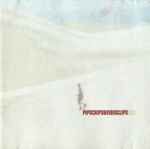
En la onda de Pips, Chips & Videoclips
Otros artistas afines, con vinilo.