That Petrol Emotion
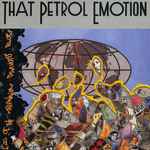
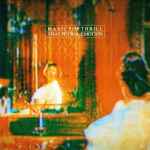
That Petrol Emotion was a London-based rock band formed in 1984 by musicians from Northern Ireland with an American vocalist. They recorded five albums between 1986 and 1994, exploring an eclectic fusion of indie rock, post-punk, garage rock and dance-punk, which anticipated both the dance-pop era of the early 1990s and the post-punk revival of the early 2000s. They were described by Rolling Stone magazine as "The Clash crossed with Creedence", and by The New York Times as "a youthful Rolling Stones" crossed with a "revved-up Television". Following a fourteen-year break, the band reunited in 2008 for various dates, tours and festival appearances before returning to hiatus in 2010. "[We had to] make our stance from the beginning; we had to say ' Right, we're from Northern Ireland. Our name is deliberately meant to sum up a whole feeling of frustration and anger that you feel living there.'" — John O'Neill, reflecting on the inspiration for the band's name and the lyrical content of much of their material. October 1987. Following the breakup of celebrated pop-punk band the Undertones, the band's former guitarist and principal songwriter, John O'Neill, returned to his hometown of Derry and teamed up with friend and fellow guitarist Raymond Gorman (previously in Bam Bam and the Calling) to DJ together at the Left Bank club. Inspired by the records they were playing, the two formed a new songwriting project which evolved into a new band, eventually playing a couple of gigs with a drum machine and Gorman's then-girlfriend as singer. Another friend, drummer Ciaran McLaughlin (formerly with the Corner Boys, but who had also played a few Undertones gigs covering for an absent Billy Doherty) was the next member to join. In autumn 1984, the nascent That Petrol Emotion relocated to London, where the existing three members were joined by John's brother and former Undertones lead guitarist Damian O'Neill, who, desperate to join, agreed to switch to bass guitar. The line-up was completed after an audition by Seattle-born American singer Steve Mack, on a year out from his studies and working in a pizzeria in London at the time. In 2020, comedian Paul Whitehouse revealed that he had unsuccessfully auditioned for the band during this period. After signing with an independent record label called the Pink Label, the band released their debut single, "Keen", in July 1985. That Petrol Emotion's influences encompassed artists as diverse as the Beatles, Afrika Bambaataa, Television, Sly & the Family Stone, Captain Beefheart and Can, and the sound of the new band severed overt musical links with the Undertones due to its darker, more edgy sound. That Petrol Emotion were also far more political and outspoken than the Undertones had been, by examining issues relating to the Troubles in their songwriting, and the Irish members listing their names in their preferred non-Anglicized forms on sleeve art. Gorman would later describe the band as having been "like the Undertones after discovering drugs, literature and politics, with a lot more girls in the audience dancing." As with the Undertones, John O'Neill emerged as principal songwriter, although songwriting contributions were made by all group members. That Petrol Emotion spent 1985 gigging in small venues, becoming "ridiculously popular on the pub circuit", and releasing a second single, "V2", in September on their own short-lived label, Noiseanoise. After signing a new deal with Demon Records, their debut album, Manic Pop Thrill, was released in 1986 and reached the number 1 spot on the UK indie chart. It was received with rave reviews from the critics, especially by known Undertones champion John Peel. In 1987, the band made their major label debut when Polydor Records put out their second album, Babble, which broke into the mainstream UK albums chart and won universal acclaim, being voted as one of the albums of the year by Rolling Stone and receiving an A-minus score from Robert Christgau. In the UK, the single "Big Decision" peaked at number 42, which would be the band's highest chart position for a single release. Demonstrating an intensification of the band's political stance, the back sleeve of "Big Decision" had contained text criticising the Diplock courts in Northern Ireland and their potential ability to convict on false or forced confessions. 27 years later, Gorman would comment that "with regard to the politics and having grown up with Protestants, my thing was always to go back to civil rights. To make people understand that the only reason the IRA were in existence in the first place was due to the intransigence of the British and the Unionists. The whole situation in Northern Ireland is too difficult to explain and hard for most outsiders to grasp. Once we started talking about politics the music almost became secondary". In an interview that year, Mack would state that the inspiration of much of the lyrical content of That Petrol Emotion's material had been to "give you the dirt [about] what's really happening". The next TPE single of 1987, the non-album track "Genius Move", was banned from being aired by the BBC due to a reference in the sleeve artwork to Sinn Féin politician Gerry Adams, a hated figure within the UK establishment at the time due to his suspected links with the IRA, which would lead to his voice being banned from British media between 1988 and 1994. Gorman has since pointed out that "there was no need for any reference to [Adams] 'cos the quote was from Liam Mellows, but I think it had been left to our tour manager to sort out the sleeve and without thinking he included a reference to Adams' book. It will haunt us forever that one. Pretty poor excuse all the same to ban us/the single; pathetic, really; however, no one knew we were banned as they didn't make a fuss a la Frankie Goes to Hollywood, very smart on their part." By this stage, That Petrol Emotion had won the praise of significant alternative rock figures such as Robert Smith of the Cure and Robin Guthrie of Cocteau Twins. However, the band's failure to gain further hit singles led to problems with Polydor when personnel at the label's management changed during this period. Following demands made to the band to deliver immediate hit singles, That Petrol Emotion exploited a loophole in their contract and left Polydor, only to be snapped up within a few weeks by Virgin Records. On the eve of the recording sessions for their third album, John O'Neill declared his intentions to leave the band. Although he stayed to record the album, the sessions were fraught with tension and foreboding. Gorman would later call O'Neill's departure "a complete bombshell", saying "when I look back now, we should have thrown him out there and then and got on with the new recording ourselves. Instead we meekly accepted everything and he hung around for another three or four months. It was a toxic situation." Upon its release in 1988, End of the Millennium Psychosis Blues was met with confusion by critics and fans alike. Its diversity of styles was meant to emulate the eclectic mixtapes the band loved and listened to on their tour bus, but their continued experiments with dance music ("Groove Check", "Here It Is... Take It!", "Tension") mixed with heavy alternative rock ("Goggle Box", "Under the Sky"), Celtic ballads ("Cellophane"), and indie ("Sooner or Later", "Every Little Bit") was considered at the time to be too disjointed and far-ranging to break into the mainstream. More recently, however, the album has been reappraised, with many critics and fans realizing that the band were ahead of their time, and, due to their penchant for mixing indie rock with elements of dance music and funk, were trailblazers for the Madchester indie-dance scene. Having completed tour dates to promote the album, John O'Neill left That Petrol Emotion in October 1988, and a shuffle took place in the band's lineup. McLaughlin and Gorman took over the role of primary
Discografía en vinilo
Ordenada por relevancia (lo más escuchado primero).



En la onda de That Petrol Emotion
Otros artistas afines, con vinilo.