Riblja Čorba
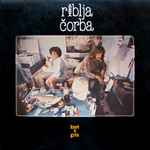
Riblja Čorba (Serbian Cyrillic: Рибља Чорба, pronounced [rîbʎaː tʃǒːrba]; lit. 'Fish Stew') was a Serbian and former Yugoslav rock band formed in Belgrade in 1978. The band has been one of the most popular and most influential acts of the Yugoslav and Serbian rock scene. Riblja Čorba was formed in 1978 by former Zajedno, Rani Mraz and Suncokret member Borisav "Bora" Đorđević (vocals) and the members of the band SOS, Radislav "Rajko" Kojić (guitar), Miroslav "Miša" Aleksić (bass guitar) and Miroslav "Vicko" Milatović (drums). Their debut release, the single "Lutka sa naslovne strane" (1978), saw huge success and launched them to fame. They were soon joined by guitarist Momčilo Bajagić "Bajaga", the new lineup releasing the album Kost u grlu (1979), which was, due to their gritty hard rock sound and Đorđević's social-related lyrics, a huge commercial and critical success. Their following releases, Pokvarena mašta i prljave strasti (1981), Mrtva priroda (1981) and Buvlja pijaca (1982) launched them to the top of the Yugoslav rock scene; their works were praised for composition, musicianship, production and especially Đorđević's provocative social- and political-related lyrics, which were praised by the critics and often caused media scandals. In the mid-1980s, the band saw a slight decline in popularity, but made a triumphant comeback with the album Istina (1985), recorded with the new guitar duo, Vidoja "Džindžer" Božinović and Nikola Čuturilo. Until the end of the decade and the breakup of Yugoslavia, the band managed to sustain their popularity, but after the beginning of Yugoslav Wars it heavily declined in Croatia and Bosnia and Herzegovina, due to Đorđević's support for Serbian nationalism. However, Đorđević also opposed the regime of Slobodan Milošević, demonstrating his attitude on the albums Riblja Čorba recorded during the 1990s, which were often banned in state-owned media. Since the beginning of the 2000s, the band has managed to remain one of the top acts of the Serbian rock scene, although the albums they released during the 2000s and 2010s saw little critical success. Bora Đorđević died on 4 September 2024, the rest of the members announcing their disbandment after the release of their 21st studio album, which would be a posthumous release for Đorđević. The album, entitled Ljubav i smrt, was expected to be released in November 2024, but has been delayed for unknown reasons. Riblja Čorba's leader, Bora Đorđević, started performing and composing as a teenager. In his early bands he usually sang and played rhythm guitar. One of them, "Poslednji Ostatak Romantičnog Sveta" (The Last Remains of the Romantic World) featured guitarist Radomir "Točak" Mihajlović, who would later rise to fame as the leader of Smak. In the early 1970s, Đorđević had a minor role in Belgrade's Atelje 212 production of Jesus Christ Superstar and started his studies of theatre organization on the Belgrade Faculty of Dramatic Arts. At the same time, he formed the acoustic rock band Zajedno (Together), with which he recorded two 7-inch singles, the single "Vizija" ("Vision") bringing them media attention, and started contributing to the Radio Belgrade show Veče uz radio (Evening by the Radio) and music magazine Džuboks, usually with reports on the acoustic rock scene. In 1975, he left Zajedno, forming the acoustic band Suncokret, which soon gained media attention and popularity with their humorous folk rock-oriented songs. Đorđević spent three years in Suncokret, releasing the album Moje bube (My Bugs) and five 7-inch singles with the band. He decided to leave Suncokret in 1978, after the band refused to perform his new song, "Lutka sa naslovne strane" ("Doll from the Front Cover"), a ballad about a fame-hungry model, claiming the song does not fit into the band's style. Another Suncokret member, Biljana Krstić, decided to leave the band with Đorđević, and the two joined the pop rock band Rani Mraz, led by Đorđe Balašević. Đorđević, Balašević, Krstić and Verica Todorović would become the most famous Rani Mraz lineup. However, this lineup of the band lasted for only month and a half. In July 1978, Đorđević decided to leave the band. Đorđević decided to start cooperating with the members of the band SOS. The band, formed in 1972 by Miroslav "Miša" Aleksić (bass guitar), Dragan Štulović "Štuks" (guitar) and Steva Stevanović (drums), previously released three 7-inch singles and performed as the backing band for singer-songwriter Srđan Marjanović, but did not manage to gain larger attention. The band's debut album, Prvi poziv (First Call), which featured Đorđević as guest vocalist, was refused by all major Yugoslav record labels. During the following period, SOS had gone through several lineup changes and in the summer of 1978, consisted of Aleksić, Miroslav "Vicko" Milatović (drums) and Radislav "Rajko" Kojić (guitar). On 15 August 1978, in the kafana Šumatovac in Belgrade, Đorđević and SOS members made an agreement to form a new band together. The four intended to name the band Bora i Ratnici (Bora and the Warriors), Popokatepetl (Popocatépetl) or Riblja Čorba (Fish Stew, at the time the Belgrade slang for menstruation). As Đorđević had already gained fame as a member of Suncokret and SOS had enjoyed some prominence on the Yugoslav scene, the magazine Radio TV revija published a photograph of a newly formed band as a poster, with the name Riblja Čorba printed on it, so the band members decided to continue performing under that name. Riblja Čorba had its first concert in Elemir on 8 September 1978. In the first part of the concert, Aleksić, Kojić and Milatović performed Humble Pie, ZZ Top, Johnny Winter and Deep Purple covers, and in the second part they were joined by Đorđević, with whom they performed their songs and The Rolling Stones and Joe Cocker covers. In November, Radio Belgrade show Veče uz radio celebrated its anniversary with a large concert at Subotica Sports Hall. Riblja Čorba appeared on the concert playing only two songs but managed to win the audience's attention. They gained new fans at a fund raising concert in Sarajevo and the 1978 edition of the BOOM Festival, held in Novi Sad. On 22 December, they released their first single, "Lutka sa naslovne strane", which became an immediate hit. The song featured a guest appearance by jazz trumpeter Stjepko Gut on piano. After the single release, Đorđević decided to leave acoustic guitar and dedicate himself to singing, and the members of the band considered adding a keyboardist to the lineup, but eventually decided to hire a rhythm guitarist. The band's new member became Momčilo Bajagić, at the time a high school student. He was recommended by Kojić, who previously played with Bajagić in the band Glogov Kolac (Hawthorn Stake). This lineup held its first concert on 7 January 1979, in Kojić's home village of Jarkovac; in the first part of the concert the band performed covers, and in the second part they performed their own songs, with Bajagić playing in the second part only. On 28 February, they held a long-promoted concert at Belgrade Youth Center, which was the band's first concert in their home city. The concert featured ballerinas, students of former prima ballerina Minka Kamberović, and during the performance of "Lutka sa naslovne strane" Đorđević broke a mannequin to pieces. During that concert, Riblja Čorba played most of the songs which would be released on their first album. At the beginning of March, the band held several concerts in Macedonia, gaining new fans. Bajagić, at the time still a high school student, managed to skip school by telling his teachers that he will be absent due to an appendectomy. However, he got into trouble after one of the teachers saw a report on the tour in Politikin Zabavnik magazine, but ended up without suffering serious consequences. After, on the band's concert in Dolovo, Aleksić fell from the stage and broke his leg, Miroslav Cvetković (who would later become a member
Discografía en vinilo
Ordenada por relevancia (lo más escuchado primero).




En la onda de Riblja Čorba
Otros artistas afines, con vinilo.