
Plavi orkestar (Famous rock group from Bosnia & Herzegovina)
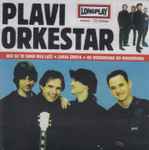
Plavi Orkestar (lit. 'Blue Orchestra') is a pop rock band originally formed in Sarajevo, SR Bosnia and Herzegovina, SFR Yugoslavia in 1983, and since 1998 based in Slovenia. Plavi Orkestar was one of the most popular acts of the 1980s Yugoslav rock scene and one of the best-selling acts of the Yugoslav popular music scene in general. The band was started in 1982 by four teenagers – vocalist Saša Lošić "Loša", guitarist Srđan Krošnjar, bass guitarist Gordan Džamonja and drummer Admir Ćeremida "Ćera II". In 1983, the four were joined by experienced guitarist Mladen Pavičić "Pava". The band got a steady lineup in late 1983, with the departure of Krošnjar and Džamonja and the arrival of Admir Ćeremida's twin brother, bass guitarist Samir Ćeremida "Ćera I". In the early stage of their career, Plavi Orkestar were associated with the New Primitivism subcultural movement, but turned towards more commercial folk-influenced pop rock sound with their debut Soldatski bal. The album, released in 1985, became one of the best-selling records in the history of Yugoslav popular music and the band members rose to the status of teen stars, despite mixed reactions coming from the Yugoslav music critics. On their following album, Smrt fašizmu!, the band, influenced by their manager and promoter Malkolm Muharem [sr], presented themselves with the concept named New Partisans, featuring lyrics and imagery inspired by Yugoslav Partisans and Yugoslavism. The album was generally disliked by the critics and alienated the band from a large part of their teenage fans, the members deciding to make a discographic hiatus after its release. With the album Sunce na prozoru, released in 1989, the band turned to sentimental pop rock sound. Despite not repeating the nationwide success of the group's first album, Sunce na prozoru and Simpatija, released in 1991, brought a number of hits. The outbreak of the Bosnian War forced the band members to end their activity in 1992. In 1998, Lošić and Ćeremida brothers reunited in Slovenia with new guitarist Saša Zalepugin, making a highly successful comeback with the album Longplay. The band had released two studio albums since, maintaining large popularity in all former Yugoslav republics. In 2025, the default lineup, featuring Lošić, Pavičić and Ćeremida brothers, reunited for the first time since 1992. In 1981, sixteen-year-old Saša Lošić "Loša", a gymnasium student from Sarajevo, started a band called Ševin Orkestar (The Lark's Orchestra). The band also featured guitarist Srđan Krošnjar, bass guitarist Gordan Džamonja and drummer Admir Ćeremida. The following year, the four teenagers changed their name to Plavi Orkestar. Simultaneously, Lošić switched high schools—transferring from the Third Sarajevo Gymnasium to First Sarajevo Gymnasium, where he would meet and befriend guitarist Mladen "Pava" Pavičić. Pavičić had already experienced a certain measure of musical prominence locally, having played in a band called Rock Apoteka (Rock Pharmacy) with fellow teenagers Bojan Hadžihalilović (later would become prominent graphic designer) on vocals and Rusmir "Šanko" Mesihović (son of prominent politician Munir Mesihović) on the second guitar; the peak of their run was appearing as one of the opening acts at Bijelo Dugme's Rock spektakl '79 open-air event at JNA Stadium in Belgrade in September 1979. With the emergence of new trends on the early 1980s Yugoslav rock scene, Rock Apoteka embraced ska, changing their name to Super 98 and managing to get in among the acts competing at the 1981 Omladinski festival in Subotica though failing to qualify for the finals. After Super 98's performance at the festival, Pavičić moved to pop band Mali Princ (Little Prince), and eventually, during early 1982, ended up with the 1980 Zaječar Gitarijada festival winners Pauk (Spider), with whom he soon recorded an album, Mumije lažu, released in 1983. Since Pauk was based out of Zavidovići, for teenage Pavičić, that meant traveling 130 km from Sarajevo every weekend for band rehearsals, which his parents did not approve of and soon persuaded him to stop. For a short time afterwards, alongside Admir Ćeremida's twin brother Samir, he played with Elvis J. Kurtović & His Meteors, and then in the bands Bonton Baja and Kazablanka (Casablanca). Throughout this 1982-1983 period, Pavičić and Lošić frequently hung out and jammed, even writing a song together, "Suada". It was in 1983, at a Siluete concert in Sarajevo, that the two agreed about Pavičić joining Lošić's band. Having much more musical experience than Lošić, Pavičić managed to persuade Lošić to kick Krošnjar and Džamonja out of the band, seeing them as not committed and dedicated enough. The steady lineup was formed in late 1983, with the arrival of bassist Samir Ćeremida whose most recent musical activity had been a brief spring 1983 stint with Zabranjeno Pušenje. Due to his twin brother Admir already being in Plavi Orkestar, he was easily persuaded by Lošić and Pavičić to join the band. The new lineup of the band started opening for popular Yugoslav acts like Riblja Čorba and Leb i Sol, which got the young band their first exposure in the country's music press. However, the reviews and notices were atrocious, and disappointed Lošić considered leaving the band. Still, the enthusiasm from the rest of the band brought him back into the fold, and the band continued with live performances. Lošić focused on writing new songs, most of which were inspired by unrequited love for a Sarajvo girl. During summer of 1983, they held a gig at a Sarajevo club Trasa, where they were spotted by Laboratorija Zvuka's Mladen Vranešević, who, noticing their potential, invited them to Belgrade to record material for a studio album. In Enco Lesić's studio, they recorded the songs "Soldatski bal" ("Soldier's Ball"), "Goodbye Teens" and "Suada", intending to release them on a maxi single. However, soon all four were drafted to serve their mandatory stints in the Yugoslav People's Army, and the plans for their debut release had to be postponed. In September 1983, as a send-off of sorts, Plavi Orkestar played a show at Skenderija with the bands Bonton Baja and Kongres. Over the following weeks, the four band members left for their respective army stints and band activity was put on hiatus. Lošić and Pavičić returned home first, in September 1984, continuing where they had left off one year earlier while waiting for their rhythm section to come back home as well. The two performed occasionally with various musicians, but due to poor gig quality, they got into a row that ended up with Pavičić quitting the band. However, the song "Goodbye Teens" was released on Diskoton's 1984 compilation album Nove nade, nove snage (New Hopes, New Forces), featuring songs by young non-established bands, and Lošić got in touch with manager Goran Marić. Marić was previously the bass guitarist for the band Opera Iu, recording a 7-inch single with the group, before getting involved in the Sarajevo New Primitivism movement under the alias Malkolm Muharem (which alluded to fashion designer and music manager Malcolm McLaren), managing Elvis J. Kurtović & His Meteors. In Zagreb, Lošić and Marić, with the help from Parni Valjak members Husein Hasanefendić "Hus" and Rastko Milošev and Ekatarina Velika drummer Ivan Fece "Firchie", recorded the demos for the songs which would appear on Plavi Orkestar's debut album. Although Plavi Orkestar was inactive at the time, the demos got Yugoslavia's biggest record label Jugoton interested in the group, and Lošić signed a pre-contract with the company. Lošić showed the document to Pavičić and managed to persuade him to return to the group. With the Ćeremida brothers back from the army, the band started recording their debut album Soldatski bal (Soldier's Ball) at the beginning of 1985. The album was produced by Husein Hasanefendić "Hus" and featured a number of guest appearances: Parni Valjak frontman Aki Rahimovski, Film frontman
Discografía en vinilo
Ordenada por relevancia (lo más escuchado primero).




En la onda de Plavi orkestar
Otros artistas afines, con vinilo.