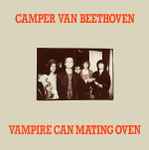
Camper Van Beethoven
Camper Van Beethoven tiene 2 discos en vinilo a la venta ahora mismo en tiendas independientes de España, desde 27,30 € (Bajo el Volcán).
Precios comprobados el 11 de septiembre de 2026.
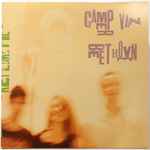
Camper Van Beethoven is an American rock band formed in Redlands, California, in 1983, later based in Santa Cruz and San Francisco. Their style mixes elements of pop, ska, punk, folk, alternative, country, and world music, among other genres. The band initially polarized audiences within the hardcore punk scene of California's Inland Empire and then found wider acceptance and, eventually, an international audience. Their strong iconoclasm and emphasis on do-it-yourself values proved influential to the burgeoning indie rock movement. The band's first three independent records were released within an 18-month period. Their debut single was "Take the Skinheads Bowling", a song with nonsensical lyrics that became an unexpected hit. The group signed to Virgin Records in 1987, released two albums and enjoyed chart success with their 1989 cover of Status Quo's "Pictures of Matchstick Men", a number one hit on Billboard Magazine's Modern Rock Tracks. They disbanded the following year due to internal tensions. Lead singer David Lowery formed Cracker, David Immerglück joined Counting Crows, and several other members played in Monks of Doom. Beginning in 1999, Camper Van Beethoven reunited and made several new records. Camper Van Beethoven was preceded by several related garage bands based in Redlands, including Sitting Duck and the Estonian Gauchos (featuring future Cracker guitarist Johnny Hickman). These bands included future Camper Van Beethoven members bassist and vocalist David Lowery, guitarist and multi-instrumentalist Chris Molla, and often drummer Bill McDonald as well. The Estonian Gauchos and a late incarnation of Sitting Duck also included another future Camper Van Beethoven member, bassist Victor Krummenacher, whose joining allowed Lowery to switch to rhythm guitar. Sitting Ducks played a mixture of punk and acid rock, along with what Lowery described as "fake Russian-sounding music". At the same time, Lowery, Molla and Krummenacher were studying in Santa Cruz at the University of California, Santa Cruz, and were musically active there as well. The former two played in the Santa Cruz-based Box O' Laffs, which also included future Camper Van Beethoven members Richie West, Anthony Guess, and Chris Pedersen at various times. While on summer break in 1983, Lowery and Molla returned to Redlands and formed a new band, Camper Van Beethoven and the Border Patrol. The group featured Lowery, Molla, Krummenacher and McDonald, along with several other musicians at various points, including guitarist David McDaniel, harmonica player Mike Zorn and violinist Daniel Blume. Although this initial incarnation of the band only existed for three months, during this time they wrote much of the material which would feature on their debut album, including "Take the Skinheads Bowling". The band's name was coined by McDaniel: according to Lowery "McDaniel was into this stuff that would sound like it made sense, but really it didn’t... He’d watch a lot of TV, accept all this mass-media stuff and spit it out all chopped up. I got the whole absurdism influence from him". When Lowery, Molla and Krummenacher returned to college in Santa Cruz, Lowery and Molla resumed playing with Box O' Laffs. After meeting violinist, keyboardist and guitarist Jonathan Segel, they decided to re-form Camper Van Beethoven and the Border Patrol in Santa Cruz, with drummer Richie West replacing McDonald. In 1985, the band reduced its name to Camper Van Beethoven, replaced West with Anthony Guess, and recorded their debut album, Telephone Free Landslide Victory. The record featured their first successful single, "Take the Skinheads Bowling", the lesser hit "The Day That Lassie Went to the Moon", and an experimental country-influenced cover version of Black Flag's "Wasted". The album featured songs with humorous lyrics, often simultaneously celebrating and mocking 1980s counterculture, and instrumental tracks featuring ska-beats and Eastern European, Mexican or Spaghetti-Western influenced guitar or violin lines. Shortly after this record was released, lead guitarist Greg Lisher joined the group. The band recorded a set of songs with an expanded version of the lineup that recorded the debut, with Lisher playing lead on some songs. Guess departed shortly thereafter, leaving Lowery and Molla briefly to take turns swapping drumming duties. This incarnation recorded a second set of songs, with Molla handling the drums. At the end of the sessions, in 1986, long-term drummer Chris Pedersen was added. The band's second album, II & III, was culled from both recording sessions, and released in early 1986. Segel played mandolin and sitar in addition to violin, and Molla played pedal steel guitar on some tracks. The album featured a noticeably expanded sound, with influences of country music and Americana mixed in with faux Indian or Arabic music and psychedelia. Molla had left the band by the time the album came out, finding that their constant live activity was getting in the way of his studies. The band played their first national tour in the spring as a 5-piece with Lisher on guitar. After finishing the tour, Lisher temporarily left the band as well, and Molla rejoined. The band started recording their next album in May 1986, with Molla on guitar and pedal steel. The band invited Lisher to play on the sessions, and he ended up rejoining. Released in August 1986, their self-titled third album featured guest membership from experimental banjo and guitar player Eugene Chadbourne on their cover of Pink Floyd's "Interstellar Overdrive" and several other tracks. On the album, the elements of psychedelia on the previous album came to the fore. The album also featured some satirical political commentary on songs like "Good Guys and Bad Guys" and "Joe Stalin's Cadillac," the former which enjoyed some underground college radio play. Krummenacher, Lisher, Pedersen and Molla also formed the side project Monks of Doom, although Molla was quickly replaced by guitarist David Immerglück. Molla left Camper Van Beethoven again, this time for good, after touring for the third album, reducing the band to a five-piece with Lowery, Krummenacher, Segel, Lisher, and Pedersen — the longest-standing lineup in their initial career. Released in November 1987, the EP Vampire Can Mating Oven preceded a major label bidding war. The EP featured a more streamlined and accessible sound, with Lisher's lead guitar taking a major role for the first time. In 1987 the band signed to Virgin Records. They released their fourth album and major label debut Our Beloved Revolutionary Sweetheart in May 1988. The album featured a more streamlined, song-oriented approach, cutting back on the psychedelia and reducing the number of instrumentals, but keeping much of their eclectic approach. This was followed by extensive touring and preparations for recording their next album. Due to internal tensions, Segel left the band during rehearsals for their fifth album in early 1989. Written mostly as a four-piece, the resultant LP, Key Lime Pie, featured the violin playing of Don Lax before the replacement violinist Morgan Fichter (of the Bay Area band Harm Farm) was found. Fichter played violin on Opening Theme, Pictures of Matchstick Men and Flowers, the final songs recorded for the album. The album featured a noticeably darker lyrical outlook as compared to the band's previous records. Musically, it featured less of the world-music influences of the previous albums, replaced with more elements of Americana, along with a lusher, a more orchestrated version of psychedelia than their previous records had featured. They scored a minor hit with a cover of the Status Quo song "Pictures of Matchstick Men", their highest-charting single. David Immerglück (of the Ophelias and the Monks of Doom) joined in 1990 for touring behind the record, playing some of the departed Molla and Segel's instrumental parts on steel guitar, guitar and mandolin. They broke up in April
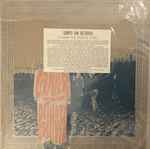
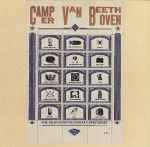
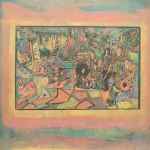
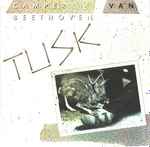
Discografía en vinilo
Ordenada por relevancia (lo más escuchado primero).
En la onda de Camper Van Beethoven
Otros artistas afines, con vinilo.