Ekatarina Velika
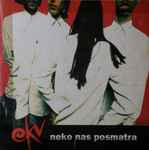
Ekatarina Velika (Serbian Cyrillic: Екатарина Велика, lit. 'Catherine the Great'), sometimes referred to as EKV (Serbian Cyrillic: ЕКВ) for short, was a Serbian and Yugoslav rock band from Belgrade, and was one of the most successful and influential Yugoslav music acts. Initially called Katarina II (Serbian Cyrillic: Катарина II, lit. 'Catherine II'), the band had built up a devoted following that greatly intensified and expanded after the death of its frontman Milan Mladenović in 1994, which caused the band to dissolve. The group's core consisted of singer and guitarist Milan Mladenović, keyboardist Margita Stefanović and bassist Bojan Pečar, with other members mostly remaining for comparatively shorter periods. In February 1982, following the disbandment of Šarlo Akrobata, 24-year-old guitarist and vocalist Milan Mladenović decided to form a new band with an old friend — 22-year-old guitarist Gagi Mihajlović. Playing music together again after being bandmates a few years earlier at Limunovo Drvo, Mladenović and Mihajlović decided to name their new band Katarina II after Mihajlović's unrequited love — a girl named Katarina. Rounding out Katarina II's inaugural lineup were Dušan Dejanović (another former Limunovo Drvo member) on drums and Zoran "Švaba" Radomirović on bass guitar. During late 1982, after their performance at the Topčiderska zvezda cinema, the band was joined by the 23-year-old classically trained pianist Margita Stefanović. Shortly after, the rhythm section left with Radomirović joining Du Du A and Dejanović going over to heated rivals Disciplina Kičme. The vacant drummer position was filled by Branko "Mango" Kuštrin (formerly of Grupa I), but after he left within a month, Milan's former bandmate from Šarlo Akrobata Ivan "VD" Vdović became the new drummer. At the same time, in early 1983, Bojan Pečar (former VIA Talas bassist) joined on bass. In spring 1983, the band took part in Zagreb Biennale, receiving positive reviews. Their material for the debut album material was recorded soon after, featuring guest appearance by actor Svetislav Goncić on tin whistles. The recording sessions for the material were completed in Enco Lesić's Druga Maca studio, however, the material was unusable due to a variety of reasons, most of them having to do with the studio's inferior technical equipment. The following year, the band took the offer from fellow musician and RTV Ljubljana's musical director Srđan Marjanović of re-recording their debut album material in the state-owned media company's studios. Katarina II's eponymous debut album was thus released in 1984 by RTV Ljubljana's in-house record label ZKP RTLJ. Mostly featuring Mladenović's lyrics, except for the Mihajlović-written tracks "Vrt" ("The Garden") and "Platforme" ("The Platforms"), while the music was a collaboration between the two, the material was produced by Đorđe Petrović featuring guest appearances by Mario Čelik on congas and Film member Jurij "Kuzma Videosex" Novoselić on saxophone. Only 3,000 copies of the album were released, indicative of label's low commercial expectations. Though it got good reviews, receiving praise for successfully linking Mladenović's descriptive lyrical sensibility with the energetic new wave sound on tracks like "Aut" ("Out"), "Jesen" ("Autumn"), "Radostan dan" ("A Joyful Day"), "Treba da se čisti" ("It Ought To Be Cleaned"), "Ja znam" ("I Know"), Katarina II album was not a commercial success. In a 1985 interview Mladenović complained about the album's poor sound quality, as well as what he felt to be lack of support from the label. Soon after their debut album, the band went through more lineup changes amid disagreements and personality clashes between Mladenović and Mihajlović. Mihajlović also ran afoul of the law — a transgression that led to his imprisonment — and after serving the punishment was informed by the rest of the band he was no longer a Katarina II member. However, since Mihajlović claimed rights to the "Katarina II" name, he forced the band into using another one. Later he collaborated with Vlada Divljan before moving to the United States where he has been residing ever since. Additionally, drummer Vdović left due to drug abuse problems, later joining Du Du A and the band Heroji, being replaced by the former Luna drummer Ivan "Firchie" Fece. The remaining members continued working as Ekatarina Velika, after Catherine II of Russia, or EKV for short. Due to constant SFR Yugoslavia-wide touring, with frequent stops in Belgrade, Zagreb and Ljubljana, and occasional TV spots, the band's popularity had gradually grown. In early 1985, the band recorded their second studio album at SIM studio in Zagreb. Produced by Vladimir Smolec featuring guest appearances by Massimo Savić as well as Karlowy Wary member and SIM studio co-owner Tomo in der Mühlen, Ekatarina Velika gave the band with its first bona fide hits, "Oči boje meda" ("Honey Colored Eyes"), "Modro i zeleno" ("Indigo and Green") and "Tattoo". In keeping with the theme of the "Tattoo" track, the album cover arranged by Dušan Gerzić features the band members painted in Native American ritual body art. After the album release on 22 March 1985, they played outside of Yugoslavia for the first time, making a positive impression at Culture Days in Turin, Italy. Another memorable concert took place in Zagreb as part of Bolje vas našli Belgrade-Zagreb band exchange. Towards the end of 1985, Fece left the band to serve his mandatory Yugoslav People's Army service, later joining Laboratorija Zvuka, and was replaced by Ivan "Raka" Ranković from the band Tvrdo Srce i Velike Uši. The following year, the new lineup released the third studio album S vetrom uz lice (Faced Against the Wind), proving to be the breakthrough album that turned them into bona fide stars. The album was produced by Milan Mladenović, Margita Stefanović and Dragan Čačinović. With the hits "Budi sam na ulici" ("Be Alone on the Street"), "Ti si sav moj bol" ("You Are All My Anguish"), "Novac u rukama" ("Money in the Hands"), and "Kao da je bilo nekad" ("As If It Had Once Been") came some lukewarm reviews from the critics complaining about the similarities to the works of the Simple Minds. After the album release, the band toured extensively all over former Yugoslavia, and the recording of one of the five sold-out performances at the Zagreb club Kulušić, made on 2 November 1986, was released in early 1987 on the live album 19LIVE86. The band promoted the release of the live album in Belgrade during January 1987 and triumphed at Dom Omladine with six sold-out shows. During spring of the same year, Ivan Ranković decided to leave EKV in order to form a new group Ulica Od Meseca with his old bandmates from Tvrdo Srce i Velike Uši. Ranković was replaced by the actor Srđan Todorović, a former Disciplina Kičme member, as drummer, playing his first show on 9 April 1987 at the New Rock festival held at the La Locomotive club in Paris. On autumn of the same year, the band got the Sedam Sekretara SKOJa award for the achievements on the second and third studio album. During the summer of 1987, the band released the album Ljubav (Love), co-produced by the band with the Australian musician Theodore Yanni. It displayed a more guitar-oriented sound, along with stylized sleeve done by Margita and artist Vuk Vidor. Prominent tracks from the album include "Zemlja" ("Earth"), "7 Dana" ("7 Days"), "Pored mene" ("Beside Me"), "Ljudi iz gradova" ("People From The Cities"), and "Ljubav" ("Love"). It had also shown the first signs of Milan's depressive lyrics, as exemplified by song "Tonemo" ("We Are Sinking"). The album had also confirmed their live attraction status with two consecutive sold out shows at Belgrade's Pionir Hall sports arena. New extensive tour commenced in early 1988, and EKV enlisted help from Tanja Jovićević of Oktobar 1864 and Zvonimir Đukić from Van Gogh to appear as backing live musicians. Fece had also promptly rejoined the band on
Discografía en vinilo
Ordenada por relevancia (lo más escuchado primero).


En la onda de Ekatarina Velika
Otros artistas afines, con vinilo.