KUD Idijoti
KUD Idijoti was a Croatian and Yugoslav punk rock band formed in Pula in 1981. KUD in the band's name is the abbreviation for Kulturno-umetničko društvo (trans. Culture and Arts Society), a common designation for amateur folk dance and traditional music groups in Yugoslav republics, while the word Idijoti is a deliberate misspelling of Idioti (trans. Idiots). Known for their Ramones-influenced sound, their ironic social- and political-related lyrics, and their leftist and anti-fascist attitudes, KUD Idijoti were one of the most prominent acts of the Yugoslav punk rock scene, and continued to enjoy large popularity in former Yugoslav region after the dissolution of the country. The band spent initial years of activity playing smaller venues and going through lineup changes, enjoying little attention of Yugoslav media. In 1985, the band got a steady (and the best-known) lineup consisting of Saša Milovanović "Sale Veruda" (guitar, by the time the only original member of the group), Branko Črnac "Tusta" (vocals), Nenad Marjanović "Fric" (bass guitar) and Diego Bosusco "Ptica" (drums). During the following years, the band gained the attention of Yugoslav and foreign public with their EPs and live albums released through independent record labels and their energetic live performances. By the time they released their first studio album Mi smo ovdje samo zbog para in 1990, the band had already enjoyed a cult following in Yugoslavia. Although the Yugoslav Wars made a gap in their career, the group soon returned to the scene, and throughout 1990s and 2000s maintained large fanbase in all former Yugoslav republics. In 2011, the band went on hiatus due to Črnac's illness, officially disbanding following his death in 2012. KUD Idijoti were officially formed on 2 February 1981, when the band Nafta (Oil), consisting of guitarist Saša Milovanović "Sale Veruda", bass guitarist Davor Zgrabljić "Buco" and drummer Egidio Rocco, were joined by vocalist Marino Piuko, who had previously performed with the band Problemi (The Problems). Piuko worked with the band on rehearsals only, and the group had their first performances with Milovanović on vocals. A year and a half later, they were joined by vocalist Nenad Marković. Choosing their name in resentment to some upper-class members of the bands from the exuberant Yugoslav new wave scene, KUD Idijoti performed Ramones-influenced punk rock. Struggling to distinguish themselves from a large part of the country's new wave scene and from their hometown's most prominent act, the hard rock band Atomsko Sklonište, KUD Idijoti initially enjoyed little attention of the media. The band performed smaller venues, going through numerous lineup changes; for a period of time, drums were played by Miro Kusačić, who would later gain prominence as the guitarist for Messerschmitt, and bass guitar and second guitar was occasionally played by Mario "Marjeto" Dobrić. In 1985, the band got a steady lineup consisting of Saša Milovanović (guitar), Branko Črnac "Tusta" (vocals), Nenad Marjanović "Fric" (bass guitar), formerly of the punk rock band Besposličari (The Idlers), and Diego Bosusco "Ptica" (drums). At the time, Črnac, a former hippie, was 30 years old, married and had a child, worked in Uljanik shipbuilding factory, and had no previous experience in performing. Other members also had day jobs – Marjanović and Bosusco also worked in Uljanik, Marjanović on the ships' woodwork and Bosusco on electronic components, and Milovanović was employed in a nearby mental institution as a nightwatchman. The band held regular performances in Pula and nearby towns, gradually gaining the attention of the local public. The band established cooperation with the independent record label DID Slovenija from Koper and in 1986 appeared, alongside the band H.T.B. from Pazin and two other bands from Pula, Šumski Pevači Gortanove Uvale (Forest Singers of Gortan's Bay) and Castel, on the various artists audio cassette Istarski rock '86. (Istrian Rock '86). KUD Idijoti were represented on the release with the songs "Tko zna" ("Who Knows"), Darwill", "Za tebe" ("For You") and "Daj, daj, daj" ("Gimme, Gimme, Gimme"). Later during the year, through DID Slovenija the band released the cassette Legendarni uživo (The Legendary Ones Live), recorded with modest equipment on their concert held in Koper on 13 November 1986. The cassette, among other song already popular among Istrian public, featured a cover of old Italian revolutionary song "Bandiera Rossa", which was at the time also performed by another Yugoslav punk band, Pankrti. Owing to Legendarni uživo, the band was invited to compete at the 1987 Subotica Youth Festival. KUD Idijoti entered the finals with three other acts which would later also gain prominence, Mizar, Grad and Indust Bag, and were polled the best band by the festival's audience. Live versions of KUD Idijoti songs "Za tebe" and "Disco Is Not Dead" were included on the live album Najbolji uživo (The Best Ones Live) recorded on the festival. Encouraged by their success on the festival—the members of the band would later state on several occasions that at the time they had been exhausted by their efforts to gain the attention of the media and on the verge of splitting up—KUD Idijoti continued their activity. The band started to receive invitations for performances from all over Yugoslavia, but also received attention from underground punk community in Western Europe, performing in small clubs in West Germany, Switzerland and Italy. At the beginning of 1987, the band represented Yugoslavia on the festival of Mediterranean countries Vivere in Mediteraneo (To Live in the Mediterranean), held in Reggio Calabria in Southern Italy. During their performance of "Bandiera Rossa", local Carabinieri, provoked by the song's refrain "Evviva il comunismo e la liberta" ("Long live communism and freedom"), climbed to the stage and interrupted the band's performance. The event caused a minor diplomatic incident, with Yugoslav embassy in Rome sending a letter of protest to Italian government, and Yugoslav daily newspaper Politika dedicating significant attention to the event. Soon after, the band was subject of another incident – their concert in Switzerland was interrupted by feminist activists, who were provoked by a sticker on Milovanović's guitar depicting a naked girl and sprayed the guitar with spray paint. As the band failed to gain interest from Yugoslav record labels, they released material intended for their debut album on three separate vinyl EPs through DID Slovenija. In 1987, they released their first EP, entitled Bolje izdati ploču nego prijatelja (Better to Release a Record than to Betray a Friend), with the songs "Cirkus" ("Circus"), "Ratna pjesma" ("War Song"), "Maja" and "Kad Sunce opet zađe" ("When the Sun Sets Once More"). During the same year, the band released their second EP ...Budimo solidarni – s bogatima... (...Let's Show Solidarity – with the Rich...), which featured the songs "Lutke na koncu" ("Puppets on String"), "Kako da živim bez para" ("How Can I Live without Money") and a cover of Italian World War II resistance song "Bella Ciao". The 1988 EP Hoćemo cenzuru (We Want Censorship) featured the songs "Hoćemo cenzuru", "Vajk na bolje" ("For the Better") and "Preživjeti (We Rebember Marjeto)" ("To Survive (We Remember Marjeto)"), the latter dedicated to their former vocalist. The band's last concert on their Swiss tour was held in Biel and recorded on a simple tape recorder; satisfied with the sound, following the release of their three EPs, they decided to release the recording of the concert on audio cassette, under the title Live in Biel. In 1988, the band also performed on Subotica Youth Festival as winners of the festival's previous edition. Owing to their performances in West Germany, the band made connections with German independent record label Incognito Records, which, in 1989, released the compilation album Bolivia R'N'R, including the
Discografía en vinilo
Ordenada por relevancia (lo más escuchado primero).
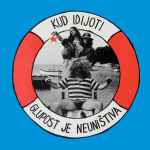

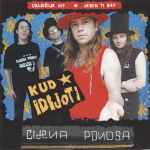
En la onda de KUD Idijoti
Otros artistas afines, con vinilo.