Sherbet (Australian rock band)
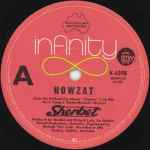
Sherbet (aka Highway or The Sherbs) was an Australian rock band. The 'classic line-up' consisted of Daryl Braithwaite on vocals, Tony Mitchell on bass guitar, Garth Porter on keyboards, Alan Sandow on drums, and Clive Shakespeare on guitar. In 1976 Shakespeare left and was soon replaced by Harvey James. Sherbet's biggest singles were "Summer Love" (1975) and "Howzat" (1976), both reaching number one in Australia. "Howzat" was also a top 5 hit in the United Kingdom. The band was less successful in the United States, where "Howzat" peaked at No. 61. As The Sherbs they also reached No. 61 in 1981 with "I Have the Skill". The group disbanded in 1984. Subsequent re-unions have occurred since 1998. According to rock music historian, Ian McFarlane, "alongside Skyhooks, Sherbet was the most successful Australian pop band of the 1970s. With a run of 20 consecutive hit singles to its credit, and 17 albums that yielded ten platinum and 40 gold disc awards, Sherbet was the first domestic act to sell a million dollars' worth of records in Australia". In 1990 Sherbet were inducted into the ARIA Hall of Fame alongside classical composer and pianist, Percy Grainger. On 15 January 2011 Harvey James died of lung cancer. On 15 February 2012 Clive Shakespeare died of prostate cancer. On 23 January 2019 founding vocalist Denis Loughlin died after being diagnosed with cancer. From 1970 until 1984 Sherbet scored 20 hit singles in Australia (including two number ones) and released ten platinum status albums. The single "Howzat" which was a number-one hit in 1976, also reached number four on the UK Singles Chart. They were the first Australian band to reach $1 million in record sales in Australia, and they pioneered the concept of massive regional tours. In December 1976, the book Sherbet on Tour, by Christie Eliezer, sold 30,000 copies in its first week. Sherbet was formed in Sydney in April 1969, with Glasgow-born Denis Loughlin (ex-Sebastian Hardie Blues Band, Clapham Junction) on vocals, Doug Rea (ex Downtown Roll Band) on bass guitar, Sammy See (ex Clapham Junction) on organ, guitar and vocals, Clive Shakespeare (ex-Downtown Roll Band) on lead guitar and vocals, and Danny Taylor (ex Downtown Roll Band) on drums. Initially they were a soul band, playing Motown covers and rock-based material. Alan Sandow (ex-Daisy Roots) had replaced Taylor on drums by July. Sherbet signed to the Infinity Records label, a subsidiary of Festival Records. In March 1970, the band's debut single was issued, a cover version of Badfinger's "Crimson Ships", from that band's January 1970 album Magic Christian Music. During 1970, the band played a residency at Jonathon's Disco, playing seven hours a night, four days a week for eight months. They were spotted by their future manager, Roger Davies. By March Daryl Braithwaite (Bright Lights, House of Bricks, Samael Lilith) had joined, initially sharing lead vocals with Loughlin who left the band a few months later. Braithwaite's former bandmate Bruce Worrall (Bright Lights, House of Bricks, Samael Lilith) took over from Rea on bass guitar. By year's end the group undertook their first national tour. See had left in October to join The Flying Circus and was replaced by New Zealand-born Garth Porter (Samael Lilith, Toby Jugg) who provided Hammond organ and electric piano. In 1971, Sherbet entered Australia's prestigious national rock band contest, Hoadley's Battle of the Sounds. They won the New South Wales final but lost the national final to Adelaide-based band Fraternity (led by Bon Scott later in AC/DC). They entered again in 1972 and won the national final. Previous winners include The Twilights (1966) and The Groove (1968), both of which enjoyed major commercial success. Sherbet's first chart hits on the Go-Set National Top 40 were covers of Blue Mink's "Can You Feel It Baby?" (September 1971), Delaney and Bonnie's "Free the People" (February 1972) and Ted Mulry's "You're All Woman" (September 1972). Most of their early recordings were produced by Festival's in-house producer Richard Batchens, who later produced albums and singles for another Infinity label mate, Richard Clapton. The band increased its profile with prestigious support slots on major tours by visiting international acts including Gary Glitter and The Jackson 5. In January 1972, Sherbet's 'classic line-up' was in place when Tony Mitchell replaced Worrall on bass guitar: the band now consisted of lead vocalist Braithwaite, keyboardist Porter, drummer Sandow, bassist Mitchell and guitarist Shakespeare. The band had evolved from a soul-based covers band into a teen-oriented pop rock outfit that relied mostly on original material. Nevertheless, they released occasional covers throughout the 1970s, including Leiber and Stoller's "Hound Dog", The Beatles' "Nowhere Man" and Free's "Wishing Well". From 1972 to 1976, Sherbet's chief songwriting team of Porter and Shakespeare were responsible for co-writing the lion's share of the band's material, which combined British pop and American soul influences. Sherbet issued their debut album, Time Change... A Natural Progression, in December 1972 on Infinity Records. Also that month the band were voted 'Most Popular Australian Group' by readers of Go-Set in their annual pop poll. The album's accompanying single "You've Got the Gun", written by Shakespeare, Porter and Braithwaite, was Sherbet's first self-penned A-side, and peaked at No. 29 in January 1973. In December 1973, the band hit the Go-Set Top 10 for the first time with the Porter and Shakespeare original, "Cassandra". It was issued in October ahead of their second album, On with the Show released in November, which peaked at No. 6 on the Go-Set Top 20 Australian Albums Chart in February 1974. It was followed by "Slipstream" which reached No. 7 on Go-Set's National Top 40 in August. A string of hits followed on the Australian Kent Music Report Singles Chart (replacing Go-Set charts after August), with Sherbet releasing original Top 10 hits such as "Silvery Moon" (1974) and their first number-one hit "Summer Love" (1975). A total of 11 Sherbet songs reached the Australian top 10. The band were the darlings of Australia's teenyboppers: for six years in a row they were voted 'Most Popular Australian Group' by readers of TV Week for their King of Pop Awards from 1973 to 1978. From 1975 they made more appearances on national TV pop show Countdown than any other band in the programme's history. Band members – especially Braithwaite – often appeared as co-hosts. According to contemporary musician, Dave Warner, "[t]hey had a clean-cut boys-next door image; a big contrast to the bad boy, weirdo, heavy-riff persona favoured by their peers". Sherbet's albums also charted on the Australian Kent Music Report Albums Chart with October 1974's Slipstream peaking at No. 5, 1975's Life... Is for Living reached No. 6, and their first compilation album, Greatest Hits 1970-75, from 1975 became their first number-one album. From 1974, Braithwaite maintained a parallel solo career with Sherbet members often playing on his solo singles. Braithwaite was voted 'King of Pop' for three successive years, 1975 to 1977. Beginning in 1975, Sherbet's records were produced by Richard Lush who had started as a trainee engineer at EMI's Abbey Road Studios, where he helped engineer some of The Beatles' recordings including Sgt. Pepper's Lonely Hearts Club Band. Porter began to take an occasional lead vocal on Sherbet singles, including "Hollywood Dreaming" and "A Matter of Time". Throughout this era, Sherbet toured Australia regularly and with remarkable thoroughness; they were one of the few bands to consistently commit to playing full-scale concerts in regional areas of the country. The idea for the satin bomber jackets came from Garth Porter. He got an American baseball jacket in an Op Shop. When they were having their clothes designed (by Richard Tyler), Garth said: "If you're going to make me anything just make me
Discografía en vinilo
Ordenada por relevancia (lo más escuchado primero).


En la onda de Sherbet
Otros artistas afines, con vinilo.