Galija
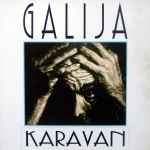
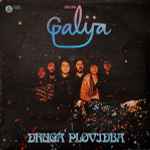
Galija (Serbian Cyrillic: Галија; lit. 'Galley') is a Serbian and Yugoslav rock band formed in Niš in 1977. The central figures of the group are brothers Nenad Milosavljević (vocals, acoustic guitar, harmonica) and Predrag Milosavljević (vocals), the two and the drummer Boban Pavlović being the mainstay members of the band. Galija's initial releases were progressive rock-oriented, but in the mid-1980s the band moved towards more mainstream rock sound to large commercial success. At the time of Galija formation, Nenad Milosavljević had already gained the attention of Yugoslav public as singer-songwriter. The group released their debut album Prva plovidba in 1979, featuring Predrag Milosavljević as guest vocalist. With the release of their second album Druga plovidba in 1980, Predrag Milosavljević became the group's official member. The band managed to gain a loyal fanbase and score several hits, before switching to mainstream rock sound in mid-1980s. The arrival of guitarist Jean Jacques Roskam and multi-instrumentalist Bratislav "Bata" Zlatković, alongside collaboration with poet Radoman Kanjevac–who would replace Predrag Milosavljević as the band's principal lyricist–resulted in the album trilogy consisting of Daleko je Sunce (1988), Korak do slobode (1989) and Istorija, ti i ja (1991). The albums, featuring multi-layered and politically provocative lyrics, achieved critical acclaim and commercial success, the group entering the 1990s as one of the most popular Serbian bands. In mid-1990s, the band's association with the ruling Socialist Party of Serbia led to criticism coming from sizable part of rock fans and music press. Predrag Milosavljević left the band in 1995, and the group went on hiatus in late 1990s. Galija returned to the scene in mid-2000s, with the lineup featuring both of Milosavljević brothers, remaining one of the top acts of the Serbian rock scene since. Galija frontman Nenad Milosavljević started performing while still in his teenage years. Influenced by the hippie movement, he started off by performing covers of international hits in Niš parks and on beaches of the Yugoslav Adriatic coast, playing acoustic guitar and harmonica. He had his first public appearances in early 1970s, at Evenings of Acoustic Music and Evenings of Anglistics held in his home city, as well as at Evening of Poetry and Music held as a part of the Niš Film Festival, performing his own songs, as well as covers of songs by foreign acts. He gained the attention of the country's public with his appearance on the Evening of Free Forms at the 1973 Subotica Youth Festival. He gained additional attention when his song "Ta je ulica meni znana" ("That Street is Known to Me"), composed on a poem by Sergei Yesenin, was performed at the 1974 Belgrade Spring Festival by popular Niš band Lutajuća Srca. Soon after his first successes, Milosavljević got the opportunity to compose music for the theatre play Etide (Études), in which he also appeared in the role of the troubadour. This was followed by his collaborations with the Niš Puppet Theatre, Niš Student Theatre, Niš Youth Theatre and the amateur theatre Treća polovina (Third Half). After he wrote music for Treća Polovina play Ljubav i Oliver (Love and Oliver), which was to be performed by a band throughout the play, he invited members of Niš band Dva Lustera (Two Chandeliers) to perform his songs in the play. They held their first rehearsal together on 4 January 1976. On 11 April 1977, Milosavljević held a concert in the building of Niš National Theatre, with Dva Lustera performing as his backing band. After the concert, Milosavljević and Dva Lustera members agreed to start working together as a band. They chose to name the band Galija, after a famous kafana in Niš, a popular gathering place for Niš rockers. The first lineup of the group consisted of Nenad Milosavljević (vocals, acoustic guitar, harmonica), Goran Ljubisavljević (guitar), Predrag Branković (bass guitar), Nenad Tančić (drums) and Bratsilav Stamenković (keyboards). Tančić soon left the band due to his mandatory stint in the Yugoslav People's Army, and was replaced by Boban Pavlović, who would, during the following years, remain one of rare mainstay members of the band. Initially, in addition to their own songs, Galija performed covers of songs by The Rolling Stones, Eagles, Pink Floyd, Genesis and other acts, appearing on stage in 18th century uniforms borrowed from Niš theatres. In 1978, performing with the new keyboard player Zoran Stanković, Galija won the first place at the prominent Gitarijada festival in Zaječar. Several months after Gitarijada, they performed at the Youth Festival in Subotica with Ljubodrag Vukadinović playing the keyboards. Later during the year. they performed as the opening band on Smak tour, and at the end of the year they performed at the BOOM Festival in Novi Sad. In 1979, the band released their debut album Prva plovidba (The First Sail), with A-side titled "Isplovljenje" ("Sailing Out") and B-side titled "Uplovljenje" ("Sailing In"). The band released the album through PGP-RTB record label; all of the group's future releases (with an exception of one compilation album) would be released through the label and its successor PGP-RTS. Although the album received mixed reviews in Yugoslav music press, the tracks "Avanturista" ("Adventurer"), "Gospi" ("To the Lady") and "Decimen" became first hits for the band. Nenad Milosavljević's brother Predrag Milosavljević, who wrote most of the album lyrics, appeared on the album as a guest, singing backing vocals. The band went on a promotional tour, during which they performed in Niš at the amphitheatre in the Niš Fortress, the concert featuring a chamber music choir. In 1979, the band also appeared on Bijelo Dugme's Rock Spectacle festival at Belgrade's JNA Stadium, performing in front of approximately 70.000 people alongside Bijelo Dugme, Kako, Mama Rock, Formula 4, Aerodrom, Opus, Senad od Bosne, Boomerang, Prva Ljubav, Prljavo Kazalište, Tomaž Domicelj, Metak, Suncokret, Parni Valjak, Generacija 5, Siluete and other acts. After Galija's appearance at the festival, Ljubisavljević, Branković and Vukadinović left the band. Bass guitarist Zoran "Čupa" Radosavljević, formerly of the band Bubamare (Ladybugs), guitarist Dušan Radivojević and keyboardist Nebojša Marković became the band's new members. In 1980, the band released their second album, Druga plovidba (The Second Sail), produced by Gordi leader Zlatko Manojlović. The songs were composed by Nenad, and the lyrics were written by Predrag Milosavljević–who also provided backing vocals, this time as an official member of the group–with the exception of the song "U suton" ("At Twiglight"), composed on a poem by Dobriša Cesarić. The band promoted the album in their home city with a concert in Čair Hall, with Zlatko Manojlović making a guest appearance on stage. During the summer, Galija held a number of concerts in student seaside resort in Makarska; during nine following years they would continue to hold regular concerts in the town. In 1980, the band also performed at the Split Festival, playing at Stari plac stadium alongside Azra, Metak, Drago Mlinarec, Generacija 5, Senad od Bosne, Aerodrom, Dado Topić and other acts. In Zenica, the band performed at the Bilino Polje Stadium alongside Riblja Čorba, Maja Odžaklievska, Davorin Popović, Aerodrom, YU Grupa and Vatreni Poljubac, on a concert organized as a celebration of Radio Zenica's 11th anniversary. During this period of their career, Galija achieved huge success with the audience in the Yugoslav republic of Bosnia and Herzegovina, and until the outbreak of Yugoslav Wars, the republic would be the home of Galija's largest fanbase. The Yugoslav press, although mostly critical of the band's second album, praised their concerts, especially Nenad Milosavljević's charismatic on-stage appearance. In late 1980, Pavlović left the band to serve his stint in the Yugoslav Army, and was
Discografía en vinilo
Ordenada por relevancia (lo más escuchado primero).
En la onda de Galija
Otros artistas afines, con vinilo.