Resurrection Band (Christian rock band, also known as "Rez Band" or "Rez")
Resurrection Band, also known as Rez Band or REZ, was a Christian rock band formed in 1972. They were part of the Jesus People USA Christian community in Chicago and most of its members have continued in that community to this day. Known for their blend of blues-rock and hard rock, Resurrection Band is credited as one of the forerunners of the Christian metal genre. Christianity Today called them "the most influential band in Christian music history." Following their debut in 1978, the band's greatest popularity was during the early 1980s, but later in the decade they received some crossover success when they had two music videos featured on MTV. Led by the husband-and-wife team of Glenn and Wendi Kaiser, the band sought to evangelize using Christian rock, and addressed a variety of social ills in the lyrics of their music. While the group is officially disbanded, they played several one-off dates at the now defunct Cornerstone Festival, which members of the band helped establish. Currently Glenn Kaiser has an established solo career as a blues musician and is also a speaker on various spiritual issues to youth and adults. The band originally played together under the name "Charity" in 1972 with Jesus People Milwaukee, based in Milwaukee. When the community split into four groups, one became the "Jesus People USA Traveling Team", working primarily in Florida. Before their relocation to Chicago, the name "Resurrection Band" was chosen and the band became a primary focus of the community's ministry. After arriving in Chicago, the band recorded two independent cassettes that were given away after their concerts. The band performed anywhere they were allowed to play, from schools to prisons to street corners. The first cassette, Music to Raise the Dead, featured hard rock, while All Your Life comprised only their acoustic numbers. These were a reflection of the folk-oriented sets they would play at more conservative venues such as nursing homes and churches. The churches were deeply sceptical of Christian rock, especially the borderline heavy metal that Resurrection Band specialized in. Four years later, thanks to an $8000 gift from a friend, Resurrection Band recorded their first album, Awaiting Your Reply, over a two-week period of marathon all-night sessions. Although the band had completed the album, including the cover art, no Christian record label would risk releasing it, as the Led Zeppelin/Jefferson Airplane inspired music was considered much too controversial for the Christian market at that time. Star Song Records were warned away from the project by other gospel music executives, but the tiny label had nothing to lose so they signed the band and released the record as it was. To everyone's surprise, Awaiting Your Reply hit big in the Christian market, and reached No. 6 on the Gospel album sales charts. Although misunderstood by many critics at the time, the album has been re-evaluated and highly praised in recent years and is listed at No. 91 in the book, CCM Presents: The 100 Greatest Albums in Christian Music, released in 2001. The band followed up the success of that album with Rainbow's End, which continued in the same progressive hard rock/metal vein akin to Black Sabbath and Aerosmith. Although the band was pleased with the effort, Star Song was not, and the band was forced to find another label shortly after its release. Rainbow's End is significant for being the first album by an American rock band to address the racist system of apartheid in South Africa, a full year before Peter Gabriel brought the issue to the world's attention with his classic song "Biko." Resurrection Band would eventually become known for grappling with a variety of social and political ills in its music, from the evils of the military-industrial complex to the corrupting influence of American materialism, racism, homelessness, AIDS, drug addiction, prostitution and many other issues that the band personally confronted in its ministry to their surrounding urban community in Chicago. Once signed by Light Records, Resurrection Band shed its progressive rock leanings and went for a more radio-friendly hard rock/metal sound. Both Colours, released in 1980, and Mommy Don't Love Daddy Anymore, released in 1981, were solid collections of music that alternately addressed larger social issues such as poverty and divorce as well as personal spiritual issues of salvation and discipleship, along with the intersection between the two. While the mainstream Christian press was still adapting to the idea of Christian hard rock, both albums were highly praised by alternative Christian music newspapers and their leading publication Harvest Rock Syndicate awarded both five stars. In addition, Resurrection Band began receiving greater airplay on radio stations that played Christian rock. Combined with their reputation as a powerful live act and effective evangelistic ministry (thanks to the fiery sermons preached at the end of Resurrection Band concerts by Glenn Kaiser), the band gained a positive reputation among church youth leaders as well as an enthusiastic and devoted fanbase. In spite of the increased attention, Resurrection Band funneled any and all profits back into the Jesus People USA community, as members held all monies in common according to the example set by the New Testament church. In an attempt to be more efficient stewards of those monies, Resurrection Band built their own recording studio in the heart of their community, later nicknamed "Tone Zone." Although put together on a shoestring budget (with old mattresses on the walls in the studio's early incarnation), it was there that the band recorded its next album, D.M.Z., during the summer of 1982. A transitional work, the album was half Van Halen-inspired hard rock featuring blistering guitar solos from Stu Heiss, while the other half took a much more new wave-driven approach, a controversial musical direction the band would pursue with greater vigor on future releases. The split personality of the album was not well-received critically, although it generated two tracks that became live staples for years to come: "Military Man" and "White Noise." To that end, those songs appeared again on the band's next release, Live Bootleg, a live album recorded before an enthusiastic local audience at the Odeum in Villa Park, IL in October 1983. This was the band's first release for Sparrow Records, one of the largest and most successful Christian record labels, which at that time was seeking to sign more Christian musical acts with ministry as their primary focus. Live Bootleg was the first album to be released under the band's shortened moniker "Rez Band," a colloquialism created by fans, and it also featured a number of songs that directly addressed issues of concern to high school-aged listeners. The latter focus would continue for as long as the band recorded music. After a number of successful tours throughout the United States and Europe in the early 1980s with a variety of Christian hard rock acts—including a high-profile tour in 1982 with Swedish quartet Jerusalem—Rez Band was viewed by both fans and music critics as the preeminent Christian hard rock band. Capitalizing on the tour's success the live album Live Bootleg was recorded in the fall of 1983 and released in 1984 and is the band's biggest selling album and features a mixture of the band's most popular live tracks as well as two new hard driving songs: "Gameroom" and "Playground". As a result, when Rez Band released Hostage in late 1984, listeners were caught completely off guard. Moderately keyboard-driven, the album reflected the band's increasing interest in New Wave music with the first single "S.O.S." featuring almost no guitar whatsoever (although it does feature a Speak & Spell). "S.O.S." shot to the top of the Christian rock singles chart, staying there for several weeks and in doing so, the band attracted an entirely new audience. Still, the move
Discografía en vinilo
Ordenada por relevancia (lo más escuchado primero).


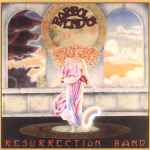


En la onda de Resurrection Band
Otros artistas afines, con vinilo.