Dino Dvornik
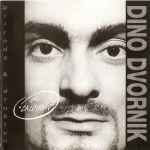
Miljenko "Dino" Dvornik (pronounced [dǐːno dʋôːrnik]; 20 August 1964 – 7 September 2008), was a Croatian musician, music producer, actor and reality television star. Often referred to by the nickname "Kralj funka" ("King of Funk"), Dvornik was a highly popular act in Croatian and Yugoslav popular music. Son of renowned actor Boris Dvornik, Dino Dvornik appeared as a child actor in several Yugoslav films and television series, before starting his musical career in the funk band Kineski Zid, which he formed with his brother Dean Dvornik in 1982. The group split up after releasing only one album, with Dino deciding to start a career as solo artist. His self-titled debut album was released in 1989, gaining commercial success and critical acclaim with its funk and soul sound. His following studio album Kreativni nered, released in 1990, maintained his large mainstream popularity in Yugoslavia. However, the outbreak of the Yugoslav Wars brought discontinuity in his career. During the 1990s and early 2000s, he recorded four more studio albums, all of them well-received by critics and the general public. Dvornik died in 2008 after overdosing on a mixture of sleeping pills, analgesics and antidepressants. His eighth and last studio album Pandorina kutija was released posthumously during the same year and was followed by a number of tributes to Dvornik by artists from Croatia and the former Yugoslav region. A son of renowned actor Boris Dvornik and mother Diana Dvornik (née Tomić), Dino was born Miljenko Dvornik on 20 August 1964 in the city of Split, at that time within Yugoslav republic of Croatia. He would play alongside his father in 1970s Yugoslav films and TV series, including the films Daredevil's Time (1977) and Across the Blue Sea (1979), and the TV series Naše malo misto (Our Small Town, 1970–1971) and Čovik i po (A Man and a Half, 1974). Dino Dvornik had his musical debut in the early 1980s, recording the 7-inch single "Mille non pieu mille" / "Pižolot" with his father. Simultaneously, he formed the band Kineski Zid (Great Wall of China) with his brother Dean Dvornik. They chose the name for the band after a nickname for the Split building in which the Dvornik family lived at that time. The band performed funk music, releasing their self-titled debut album in 1983. The album songs were composed by Dino, while the lyrics were written by Dean Dvornik. The album saw little commercial and critical success, and Kineski Zid disbanded soon after its release. After Kineski Zid split up, Dean moved to the United States, and Dino Dvornik decided to dedicate himself to a career of a solo artist. He spent several years practicing and composing, living in London for a period of time, before making a successful debut as a solo artist on the 1988 Zagreb Festival. Dvornik appeared on the festival with the song "Tebi pripadam" ("I Belong to You"), presenting himself with modern funk sound and winning the first prize awarded by the festival jury. Dvornik's performance was accompanied by dancers, which was not in accordance with the festival's tradition. The initial success provided Dvornik with an opportunity to record his debut studio album. In Split's Tetrapak studio he recorded his self-titled debut, produced by Dragan Lukić of the band Đavoli. The album songs were composed and music arrangements were written by Dvornik, with most of the album lyrics provided by Goran Kralj, former drummer for the Split band Hangar. Dvornik recorded vocals, keyboards and percussion on the album tracks. The album's modern production, machist lyrics and energetic rhythms had large success with the Yugoslav public. The songs "Ljubav se zove imenom tvojim" ("Love Carries Your Name"), "Ti si mi u mislima" ("You Are in My Thoughts"), "Zašto praviš slona od mene" ("Why Are You Making an Elephant out of Me"), with lyrics for the latter written by Zlatan Stipišić, frontman of the hard rock band Osmi Putnik, became nationwide hits. Dvornik promoted the album by performing mostly in Yugoslav discothèques. In 1990, on the MESAM festival he was awarded the first prize by both the jury and the audience for the song "Misliš da sam blesav" ("You Think I'm Crazy"). Later during the year, he released his second studio album Kreativni nered (Creative Mess). The album's lyrics were written by Zlatan Stipišić, alternative rock musician Rambo Amadeus and journalist Ozren Kanceljak, and the album featured guest appearances by Đavoli members Neno Belan and Dragan Lukić. The album's main hit "Jače manijače" ("Harder, Maniac") was co-written by Dvornik and Rambo Amadeus; their cooperation was started a year earlier, when Dvornik made a guest appearance on Rambo Amadeus album Hoćemo gusle (We Want Gusle). The song "Jače manijače" was also released on a maxi single, distributed to discothèques across Yugoslavia. Unlike Dvornik's previous promotional tour, Kreativni nered tour featured a backing band, composed of the members of Zadar band Jet Set. However, the outbreak of Yugoslav Wars in 1991 interrupted the tour and made a gap in Dvornik's career. In 1993, Dvornik released his third studio album, entitled Priroda & društvo (Nature & Society). On the recording sessions, Dvornik played guitar, bass guitar and keyboards, and the album also featured Dragan Lukić Lvky (keyboards), Zoran Šabijan (keyboards, programming) and Joe Pandur (guitar). The song "Ying & Yang" featured Psihomodo Pop frontman Davor Gobac on vocals, and the song "Rušila sam mostove od sna" ("I Was Tearing Down the Bridges made of Dreams") featured singer Josipa Lisac. With the songs like "Split Junkie", "Ekstasy" and "The Return of the Man With a Rubber Brain" Dvornik turned towards more serious topics. However, the album's techno sound alienated Dvornik from a part of his old fans, and his drug abuse resulted in another hiatus. In 1995, he appeared on the Split Music Festival with the ode to his home city "Ništa kontra Splita" ("Nothing Against Split"), written by Nenad Vilović, winning the first place. During the same year, he released the live album Live in Munich. The album was recorded on Dvornik's concert in Munich, Germany, on which he was accompanied by the members of the techno group Songkillers. The following year, he released the maxi single "Afrika" ("Africa"), for which he was awarded the Porin award. In 1997, Dvornik released his fourth studio album, the autobiographical Enfant terrible. The album featured guest appearances by Davor Gobac, Daleka Obala frontman Marijan Ban, singer Stjepan "Jimmy" Stanić, Songkillers, and other acts. Alongside Dvornik's trademark sound, the album also featured his experimentation with different genres in the tracks like "La svraka blues" ("La Crow Blues") and "Male noćne orgulje na plin (a capella)" ("Little Night Gas-Infused Organ (A Capella)"). The album was produced by Dvornik and was awarded the Porin Best Album Production Award. The album was followed by the 1998 compilation album Vidi ove pisme: The Best of Dino Dvornik 1988–1998, offering the overview of Dvornik's ten-year work, with remixes of some old songs and two previously unreleased tracks – "Dr. lake šetnje" ("PhD in Easy Walking") and "Nema mene" ("I'm Not There"). Dvornik's fifth studio album, entitled Big Mamma, was released in 1999. The album songs dealt with crime in Croatian capital Zagreb. The recording of the album lasted over 600 hours. The songs "Dan bezbrižan" ("Care–Free Day"), "Stojadin" (the title being the Yugoslav nickname for Zastava 101 automobile, featuring lyrics written by Zlatan Stipišić) and Latin music track "Ća ća ća" ("Cha Cha Cha") became radio hits. On the New Year's Eve of 2000, Dvornik held a concert in Belgrade, which was his first performance in Serbia since the dissolution of Yugoslavia. In 2001, he covered the song "2002 godine u Splitu!" ("In the Year 2002 in Split!"), originally recorded by singer Oliver Dragojević in 1975, releasing it as a single. In 2002, Dvornik released his sixth studio
Discografía en vinilo
Ordenada por relevancia (lo más escuchado primero).



En la onda de Dino Dvornik
Otros artistas afines, con vinilo.